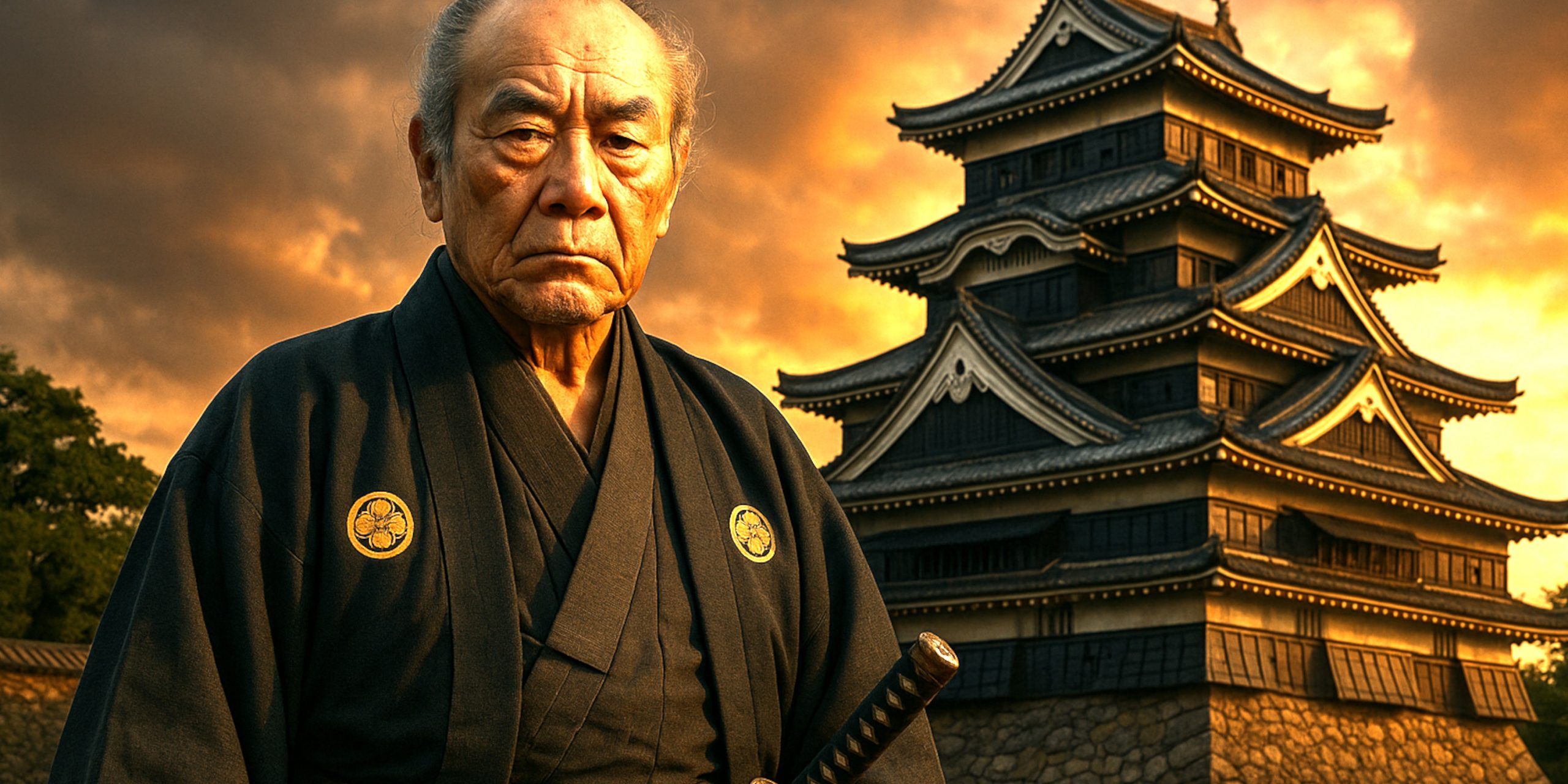
The Tokugawa Shogunate always feels like one of those periods where restraint shaped an entire civilisation. When I look at its long arc, from 1603 to 1868, I find a state that avoided the spectacular upheavals common in early modern Europe by placing enormous value on order, lineage and controlled hierarchy. It was not a quiet age, despite how it is sometimes portrayed. Instead, it moved with a slow, deliberate rhythm that still left a deep imprint on Japan’s cultural and political landscape.
The Tokugawa Shogunate, also known as the Edo period, began when Tokugawa Ieyasu secured victory at Sekigahara and eventually received the title of shogun. His goal was not merely dominance but stability after centuries of strife. The result was a political structure that centred power in Edo while maintaining a delicate balance with the emperor in Kyoto, the daimyō across the provinces and the samurai class who enforced the order.
I have always thought of this period as a long exhale after generations of war. It created the conditions for economic growth, a rich urban culture and a remarkably consistent social hierarchy.
Political Structure
Power in Tokugawa Japan rested on a clever blend of central authority and regional autonomy. The shogun held ultimate military power, and the bakufu government maintained strict controls over the daimyō, especially through the sankin kōtai system. This required lords to alternate their residence between Edo and their home domains, which prevented rebellion and fuelled Edo’s rapid growth.
The emperor remained an important symbolic figure. His court preserved ritual authority while avoiding direct political control. This separation helped keep the system steady. It is one of those arrangements where you can sense how carefully the pieces were positioned. Remove one and the whole structure might have shifted.
Society and Class
The Tokugawa social hierarchy placed the samurai at the top, followed by peasants, artisans and merchants. The order looks rigid on paper, although real life often found its ways around it. Merchants became wealthy despite their low status. Samurai sometimes slipped into debt as their stipends failed to keep pace with rising prices. Peasants, who should have been protected as the economic foundation, bore a heavy tax burden and were the first to feel strain during crop failures.
Urban culture flourished. Edo, Osaka and Kyoto formed a network of thriving cities. Pleasure quarters, Kabuki theatres and publishing houses contributed to a lively public culture that still colours our perception of the era.
Economy and Infrastructure
The long peace allowed Japan to stabilise its agriculture, expand trade and improve infrastructure. Roads such as the Tokaido linked major regions. Markets became more integrated. Rice, measured in koku, served as the basis of economic and political calculation.
Foreign trade was tightly controlled, particularly after the sakoku policies restricted contacts with most countries. Yet Japan was never fully closed. The Dutch at Nagasaki provided a narrow but significant window to the outside world. I often think people underestimate how aware the Tokugawa leadership was of external developments. Their caution was strategic rather than simply insular.
Culture, Learning and Religion
Neo Confucian ideals shaped both governance and social expectations. Education spread through temple schools and domain academies, which created one of the most literate populations of the early modern world. Even with strict social structures, intellectual life was surprisingly energetic.
Shinto practices continued to evolve, while Buddhism remained central in daily and ritual life. The bakufu also controlled religious institutions to prevent them from becoming sources of political power. Meanwhile, new forms of artistic expression appeared in the floating world, from woodblock prints to popular literature.
Foreign Relations and Isolation
The sakoku system reduced foreign presence but did not aim to eliminate it entirely. The goal was stability. Christianity was viewed as a threat because of its links to foreign powers. The government expelled missionaries and repressed converts after the Shimabara Rebellion.
Despite these restrictions, the Dutch and Chinese were allowed to trade at Nagasaki. Through the Dutch, Japan gained access to scientific and medical knowledge, which later played an important part when the country began to open in the nineteenth century.
Decline and Fall
By the nineteenth century the Tokugawa system was struggling. Economic hardship, rising smuggling, internal dissent and foreign pressure all chipped away at the old order. When Commodore Perry’s black ships arrived in 1853, the illusion of isolation collapsed. The bakufu attempted reforms but they came too late and lacked unity.
The final years have a melancholy feel. You can sense a government trying to hold the ground beneath its feet while the world shifted around it. The Meiji Restoration in 1868 ended the shogunate and placed power back under imperial leadership.
Legacy
The Tokugawa Shogunate left a lasting imprint on Japan. It shaped the geography of modern cities, influenced social expectations and preserved schools of art and literature that still feel alive. Its long peace created the foundations for rapid modernisation in the Meiji era, even though the political order that sustained it did not survive.
When I look back at this period, I see a society both confident and cautious, content to refine what it already had rather than chase expansion. That discipline, for better or worse, created one of the most distinctive political systems in world history.