A quick historian’s note before we start
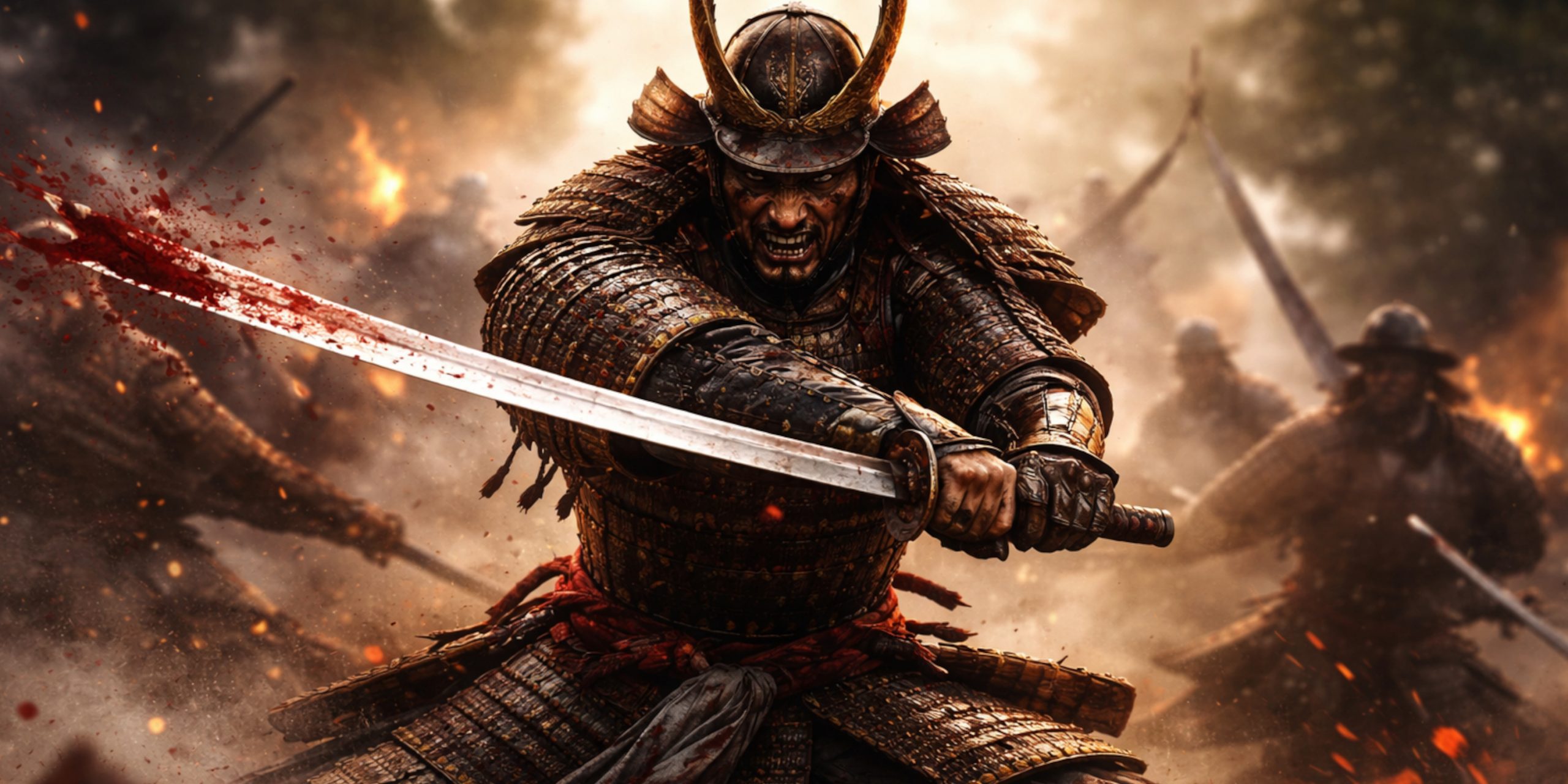
Calling any weapon “the most deadly” always makes historians twitch slightly. Context matters. Training matters. Who is holding the blade matters most of all. That said, the katana earned its reputation honestly, and not just through modern pop culture. These ten points explain why it became one of the most feared swords of the medieval world.
The steel was engineered, not improvised
Japanese swordsmiths refined tamahagane steel through repeated folding, not for mystical reasons, but to control impurities and carbon content. The result was a blade that balanced hardness and resilience better than most contemporaries. As a historian, I admire this because it is disciplined craftsmanship rather than romantic accident.
Differential hardening created a lethal edge
The clay tempering process produced a hard cutting edge and a softer spine. This meant the katana could take punishment without snapping while still holding an edge sharp enough to make armour feel slightly optimistic. The hamon is beautiful, but it is also a technical fingerprint of survival-focused design.
It was built for cutting efficiency, not fencing games
The katana favours decisive cuts over extended exchanges. The curvature, edge geometry, and balance all push the user toward clean, committed strikes. Medieval Japanese combat did not reward theatrical flourishes. It rewarded finishing the problem quickly.
Samurai training was ruthless and constant
A katana in untrained hands is just an expensive mistake. Samurai trained from childhood, often daily, in both technique and mental discipline. When people talk about the katana’s lethality, they often forget the human system behind it. The blade was deadly because the person wielding it usually knew exactly what they were doing.
The sword matched the armour it fought
Japanese armour evolved differently from European plate. It emphasised mobility, lamellar construction, and layered defences. The katana’s edge profile was well suited to cutting through gaps, cords, and lighter protective layers. It was not designed to punch through steel walls, and it did not need to be.
Two hands gave it control and power
The long grip allowed for powerful two-handed cuts while maintaining fine control. This made strikes more stable and repeatable under stress. From a practical standpoint, this is one of the least glamorous but most important reasons for its effectiveness.
It functioned as a sidearm and a primary weapon
Unlike many European swords that complemented polearms, the katana often served as a primary battlefield weapon, especially in later periods. Samurai expected to fight, finish, and survive with it. That expectation shaped everything about its design.
Maintenance was treated as a moral duty
A neglected katana was considered a personal failing. Blades were cleaned, polished, and inspected obsessively. A sharp sword is more dangerous than a dull one, and medieval Japan took this idea very seriously. The blade stayed lethal because it was never allowed to decay.
Psychological impact mattered
Reputation kills before steel does. The katana became a symbol of authority and lethal intent. Facing a disciplined warrior armed with a blade known for decisive kills had a real effect on morale. Medieval warfare was as much about breaking resolve as breaking bodies.
It endured because it worked
Weapons that fail disappear. The katana survived centuries of warfare, social change, and technological shifts because it remained relevant. As a historian, this is the point that matters most to me. Romantic stories fade, but effective tools stick around.
Takeaway from a slightly sceptical admirer
The katana was not magic. It was not unbeatable. Against plate-armoured knights or massed pikes, it had limits like any weapon. What made it deadly was intelligent design paired with disciplined use. Strip away the myths and you are left with something more impressive: a sword that earned its reputation the hard way.