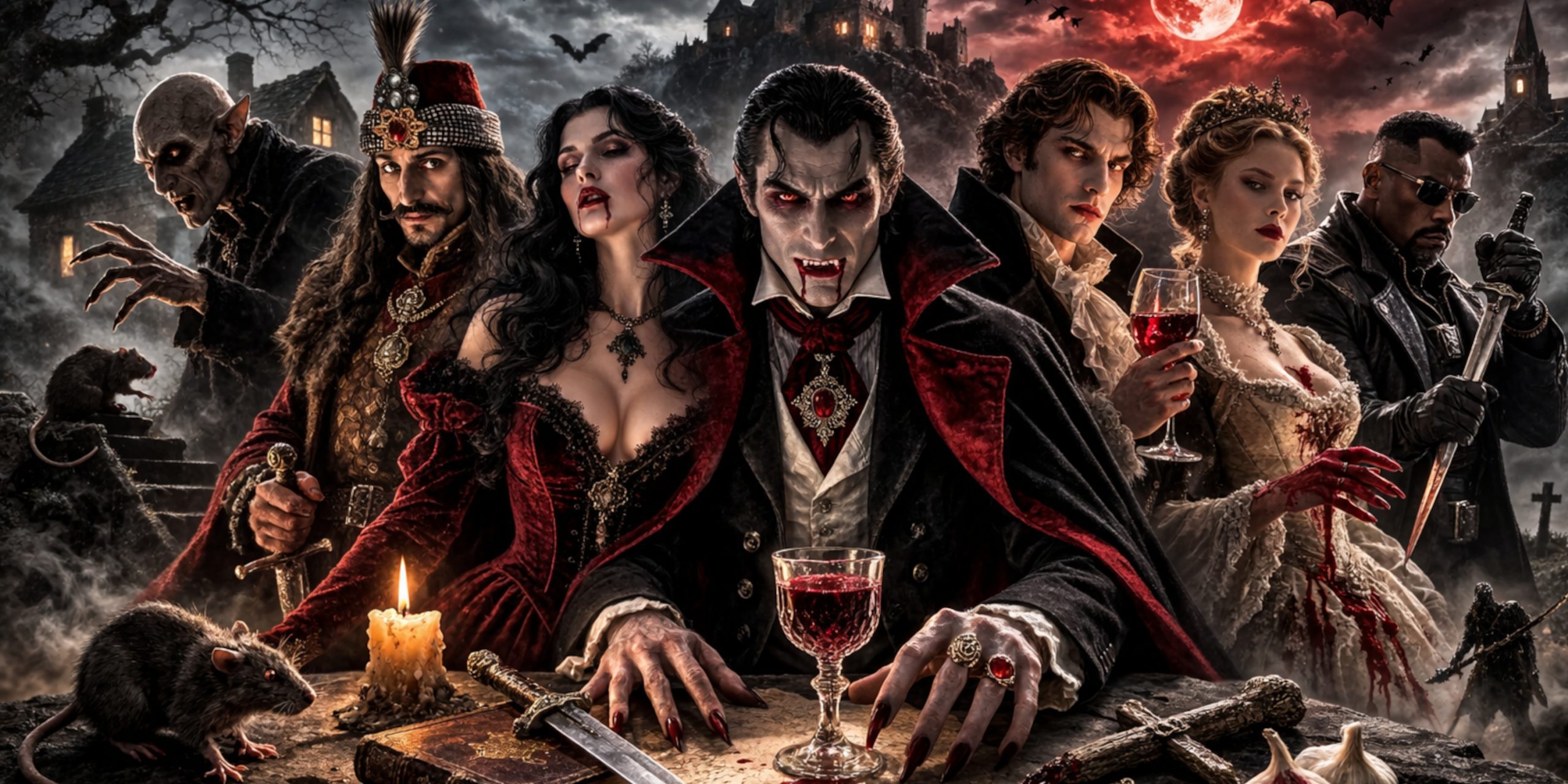
Few creatures have enjoyed such a long and adaptable afterlife as the vampire. From Balkan graveyards to Victorian penny dreadfuls and modern television, the vampire has shifted shape with each century’s fears and fantasies. As a historian, I find them revealing. They tell us less about the dead and far more about the living.
Below is a ranked exploration of the most famous vampires from history, folklore and literature, judged by cultural impact, endurance and influence on the archetype.
10. Varney
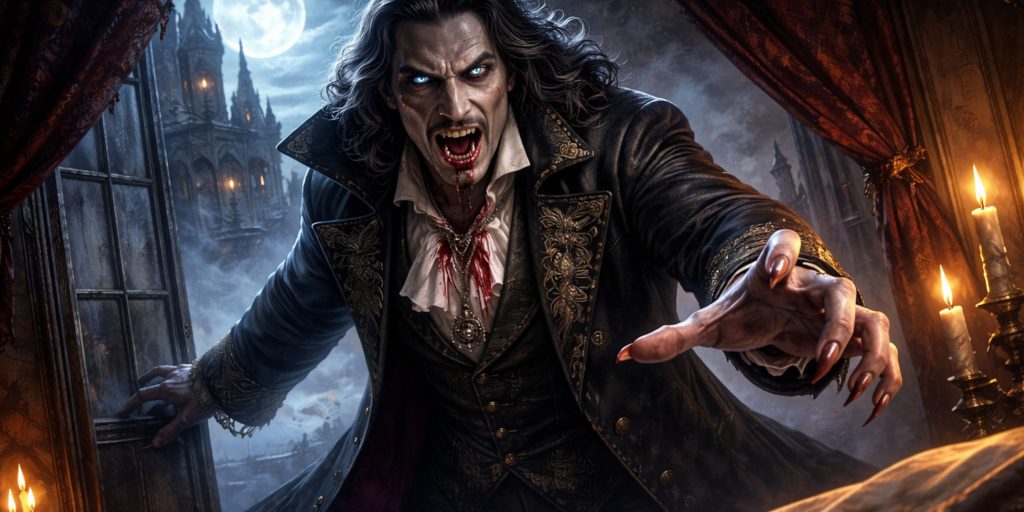
Varney may not be widely read today, but he laid crucial groundwork. Published in the 1840s as a serial, Varney the Vampire introduced several tropes that later became standard.
He had fangs. He left puncture marks on the neck. He was brooding and capable of remorse. In short, he helped shift the vampire from a shambling corpse into a conflicted antihero.
Varney is melodramatic, at times absurd, yet historically important. Without him, the Victorian vampire tradition would look rather different.
9. Carmilla
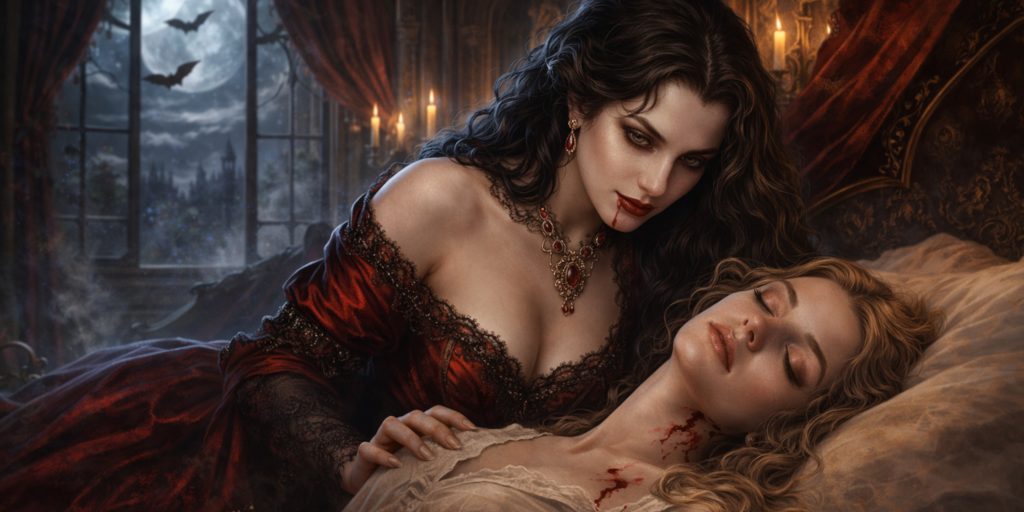
Before Dracula, there was Carmilla. Published in 1872, this novella introduced a seductive, aristocratic female vampire who preys upon young women.
Carmilla brought sensuality and psychological tension into the genre. The atmosphere is intimate and claustrophobic, more unsettling than many later imitations.
She remains central to discussions of Gothic fiction, queer subtext in Victorian literature, and the evolution of the vampire as a figure of desire rather than simple horror.
8. Lord Ruthven
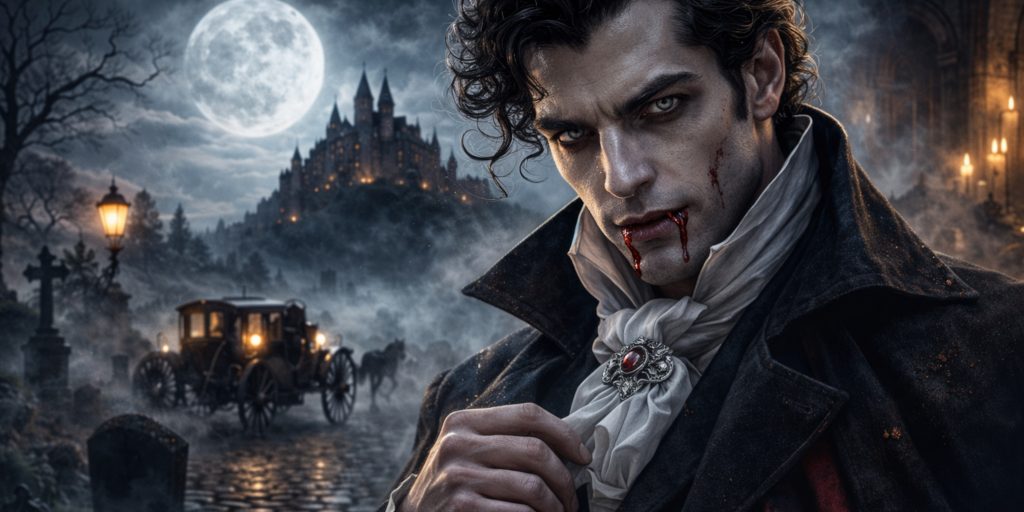
From The Vampyre by John Polidori
Lord Ruthven is arguably the first aristocratic vampire in English literature. Inspired by the persona of Lord Byron, he is charming, manipulative and socially refined.
Published in 1819, The Vampyre established the idea that a monster could move easily through high society. This was a major shift from earlier Eastern European folklore, where vampires were bloated peasants rising from shallow graves.
Ruthven’s influence echoes through every elegant vampire that followed.
7. Vlad the Impaler
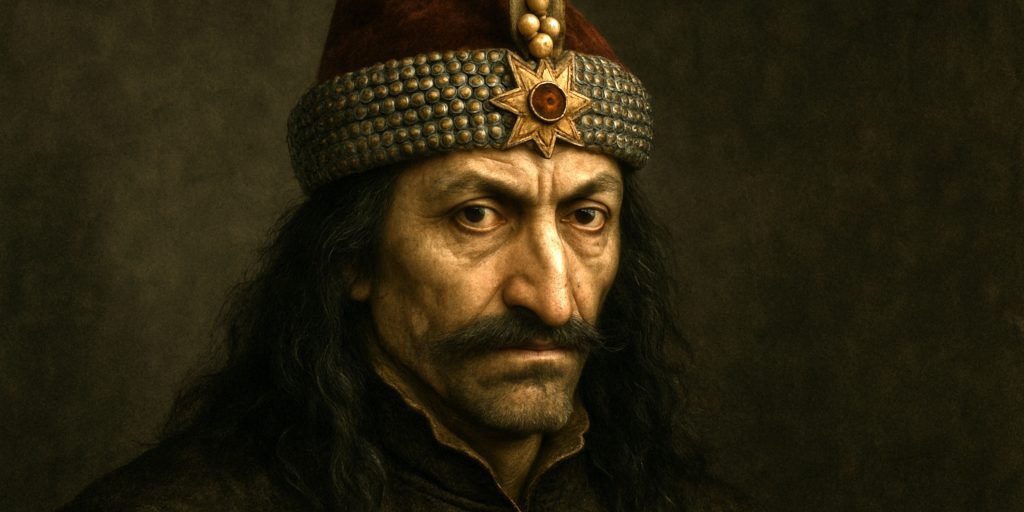
A real historical figure, Vlad III of Wallachia ruled in the fifteenth century and earned his grim sobriquet through brutal methods of execution.
He was not a vampire. There is no credible historical evidence linking him to blood drinking in the folkloric sense. Yet his reputation for cruelty, combined with his patronymic Drăculea, made him fertile ground for later myth-making.
When Bram Stoker searched for a name, he found Vlad’s. History and fiction fused, and Vlad’s afterlife began.
6. Elizabeth Báthory
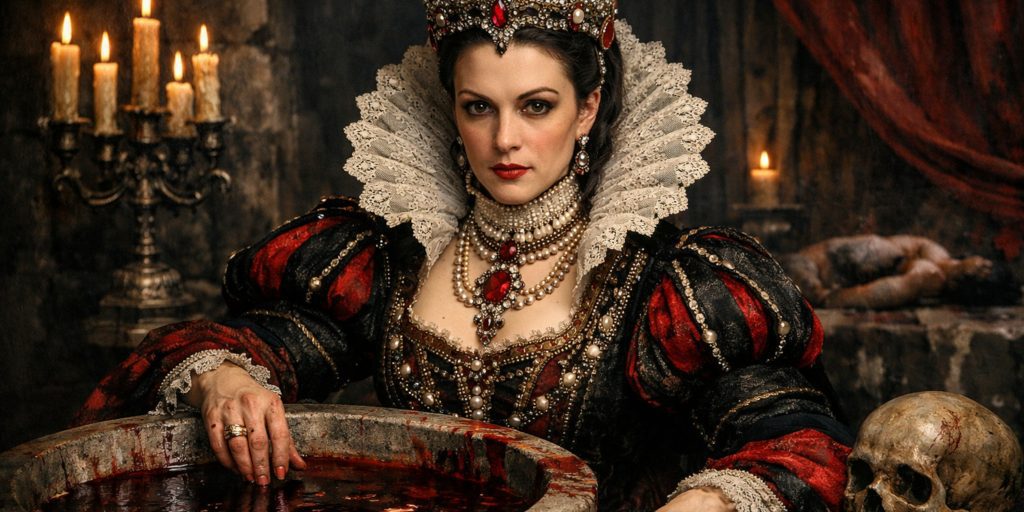
The so called Blood Countess of Hungary was accused in the early seventeenth century of torturing and murdering young women. Later legends claimed she bathed in their blood to preserve her youth.
The historical record is complex and debated. Some scholars argue she was the victim of political manoeuvring. Others accept at least part of the gruesome testimony.
Regardless of the truth, Báthory became entwined with vampire mythology. She embodies the link between aristocracy, blood and decadence that would dominate Gothic fiction.
5. Count Orlok
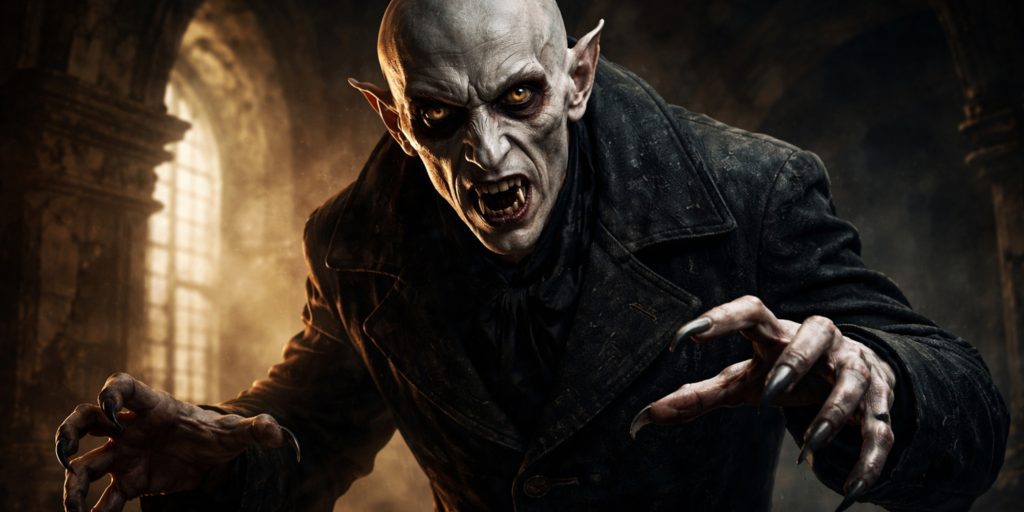
From Nosferatu
When F. W. Murnau adapted Dracula without permission in 1922, he changed the name but not the essence. Thus Count Orlok was born.
Orlok is gaunt, ratlike, plague bearing. He feels closer to medieval nightmare than Romantic seducer. The shadow climbing the staircase remains one of cinema’s most enduring images.
He cemented the vampire’s place in film and shaped horror aesthetics for decades.
4. Lestat de Lioncourt
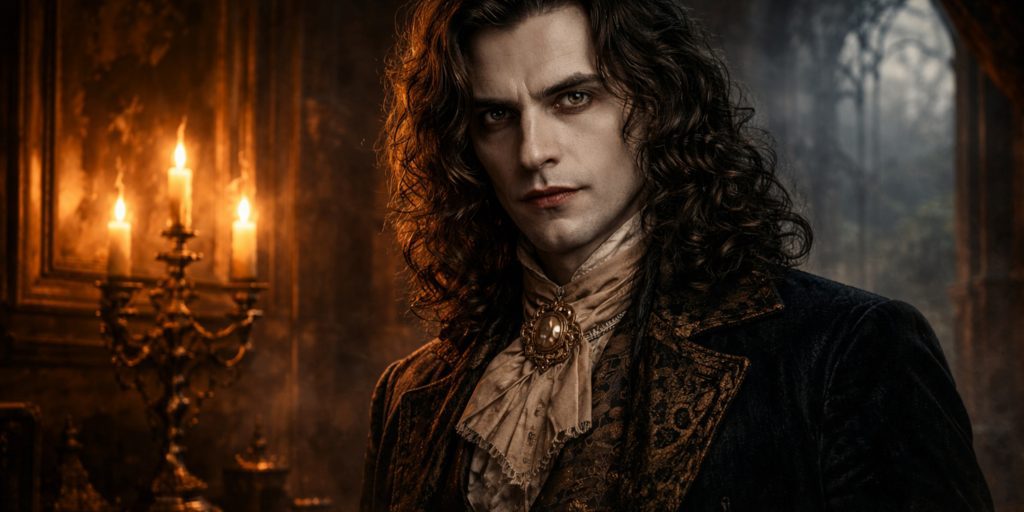
From Interview with the Vampire by Anne Rice
With Lestat, the vampire became introspective and flamboyant. Rice’s 1976 novel transformed the genre, moving it firmly into the realm of existential drama.
Lestat questions morality, immortality and God. He is vain, theatrical and surprisingly vulnerable. This psychological depth influenced late twentieth century portrayals and paved the way for modern sympathetic vampires.
One might say that after Lestat, the vampire could no longer be just a monster. He had to have feelings.
3. Blade
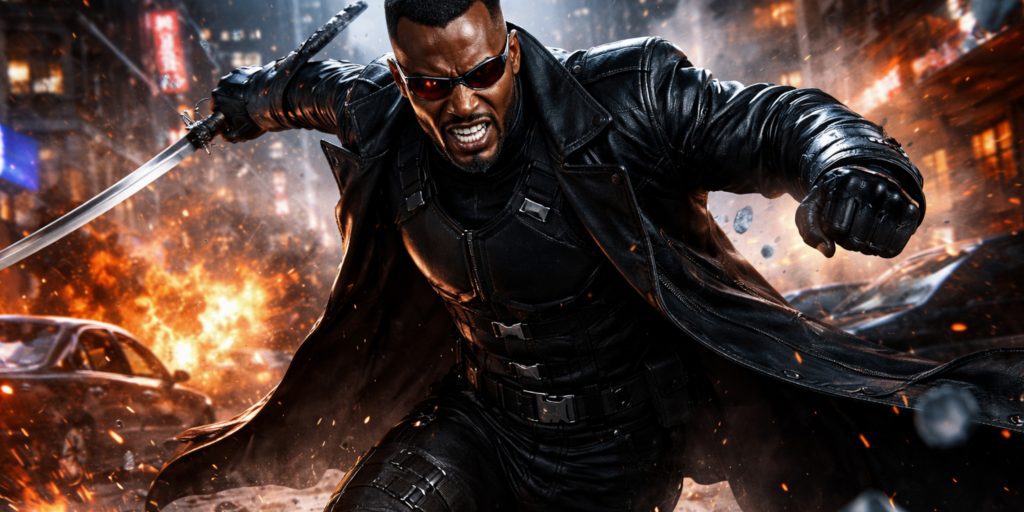
From Blade
Created by Marv Wolfman and later immortalised on screen by Wesley Snipes, Blade is a dhampir, half human, half vampire.
He flips the narrative. Instead of predator, he is hunter. His popularity in comics and late 1990s cinema proved that vampire stories could thrive in action driven formats.
Blade also broadened representation within the genre, expanding who could occupy centre stage in supernatural storytelling.
2. Dracula
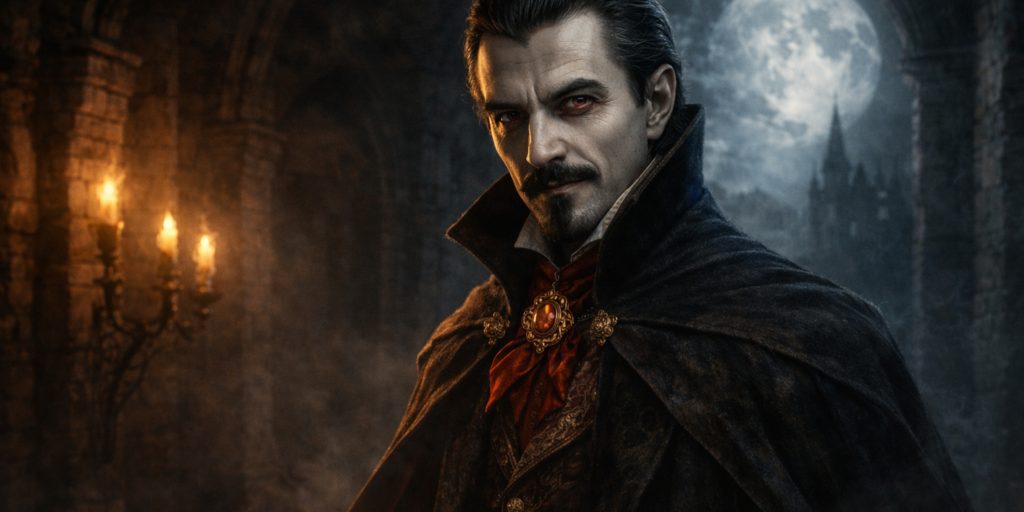
From Dracula by Bram Stoker
Dracula remains the definitive vampire. Published in 1897, Stoker’s novel synthesised folklore, travel writing, Victorian anxieties and Gothic drama into one compelling figure.
He is foreign, ancient, aristocratic and cunning. He commands wolves and storms. He preys upon the modern city yet is rooted in the medieval past.
Every significant vampire since has existed in his shadow. Even when authors attempt to reinvent the archetype, they are reacting to Stoker’s creation.
1. The Folk Vampire
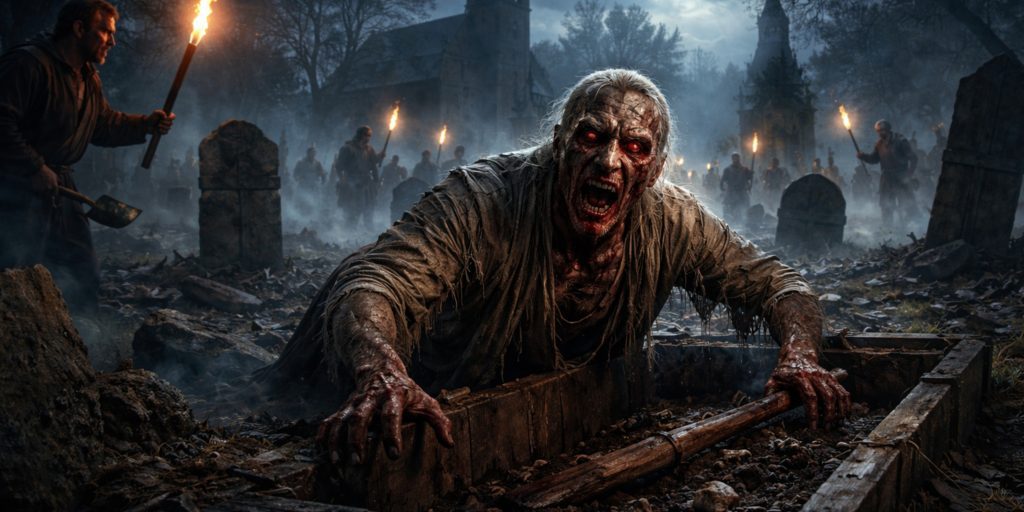
Eastern European Folklore
Before literature refined them, vampires belonged to villages in the Balkans and Slavic regions. These were not elegant counts. They were revenants, often described as swollen, ruddy corpses that spread disease and misfortune.
Accounts from regions such as Serbia and Romania in the seventeenth and eighteenth centuries describe exhumations, staking rituals and official investigations. The panic was real enough to draw the attention of imperial authorities.
This folk vampire stands at number one because it is the root. Without it, there is no Dracula, no Carmilla, no cinematic legacy. The raw fear of the restless dead gave birth to everything that followed.
As a historian, I find these early cases particularly compelling. They reveal communal anxiety about plague, improper burial and social disruption. The vampire was a way of explaining what science could not yet grasp.
The Enduring Appeal of the Vampire
Why does the vampire persist?
It adapts. In times of plague, it carries disease. In the Victorian era, it embodies sexual repression and foreign threat. In the twentieth century, it broods over existential despair. In the twenty first, it might sparkle or wage urban warfare.
Yet beneath these changes lies something constant. The vampire blurs boundaries between life and death, desire and danger, civilisation and savagery. It unsettles because it looks like us.
And perhaps that is the most unnerving thought of all.