

Freydís Eiríksdóttir, as portrayed in Vikings: Valhalla, emerges not just as a fierce warrior but as a...
Vikings
The Viking Era, roughly late eighth to mid eleventh century, marks a restless chapter in European history. Norse sailors pushed out from Scandinavia not only to raid but to trade, settle, and argue loudly about law. Monks noticed first. “Never before has such terror appeared in Britain,” wrote Alcuin of York in 793, sounding like a man who had just lost his roof. Further east, Ibn Fadlan observed their funerals with fascination and clear discomfort. From longships to marketplaces, the Vikings were less chaos incarnate and more highly motivated neighbours with excellent boats.
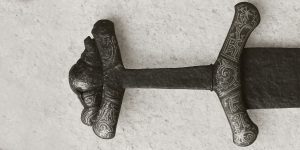
The Petersen Type Z sword marks one of the final developments in Viking Age sword typology. Emerging...
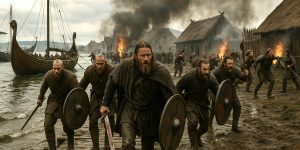
The Viking seizure of Dublin in 841 marked a pivotal moment in Irish history. What began as...
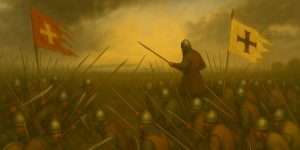
The Battle of Maldon, fought in 991 AD near the Essex coast, remains one of the most...

Anglo-Saxon reenactment offers a detailed and historically grounded look into early medieval life in England between the...
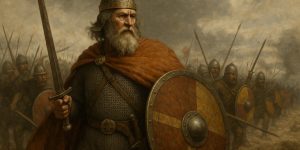
The Battle of Clontarf, fought on 23 April 1014, remains one of the most enduringly significant events...
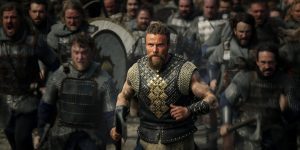
Vikings: Valhalla follows the violent twilight of the Viking Age, a period marked by shifting allegiances, religious...
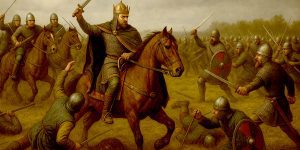
From Roman occupation to the Wars of the Three Kingdoms, Britain’s military history is steeped in pivotal...
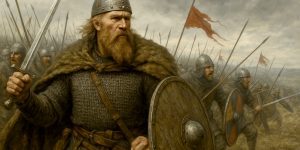
Sweyn Forkbeard, the son of Harald Bluetooth, was King of Denmark, parts of Norway, and eventually England....
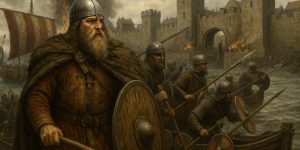
The siege of London in 1013 was a pivotal episode in the Viking invasions of England, marking...