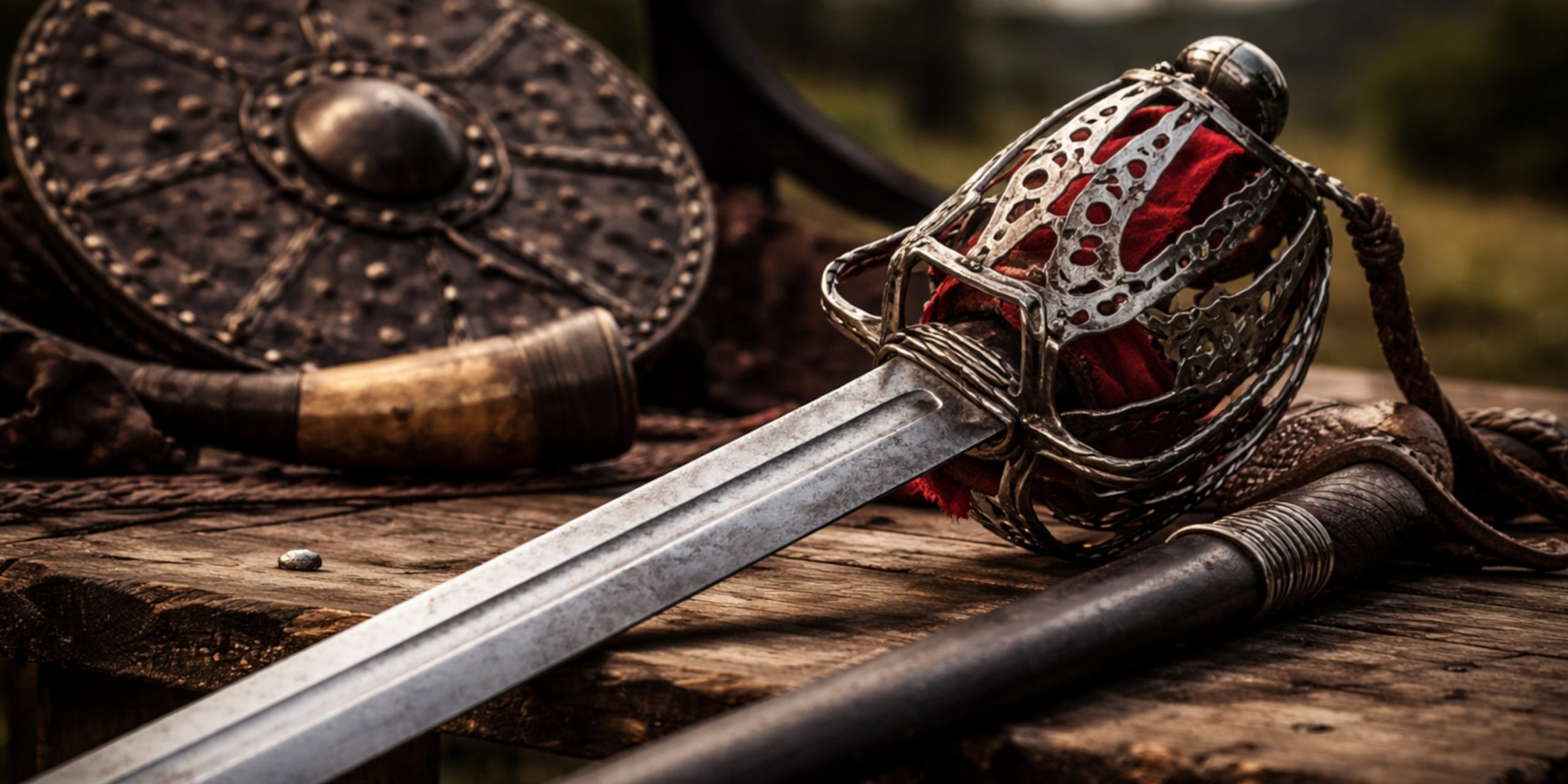
The Scottish basket-hilt broadsword is one of those weapons that feels instantly serious. Pick one up and it does not whisper elegance, it tells you it expects trouble. This was not a gentleman’s duelling toy. It was a practical, hard-wearing sidearm designed for chaos, mud, cold hands, and close violence.
What makes it interesting today is not just how it looks, but how long it stayed relevant. From the late seventeenth century through Jacobite risings and into regimental service, the basket-hilt evolved quietly while other swords chased fashion. It was stubborn, adaptable, and brutally sensible, which feels very Scottish.
Specifications
| Feature | Description |
|---|---|
| Blade Type | Double-edged, broad, straight |
| Blade Length | Typically 30 to 34 inches (76 to 86 cm) |
| Blade Width | Approximately 1.5 to 2 inches at base |
| Total Length | Around 39 to 42 inches (99 to 107 cm) |
| Weight | 2.5 to 3.5 lbs (1.1 to 1.6 kg) |
| Hilt Style | Basket-type guard enclosing the hand |
| Pommel | Often globular or flattened oval |
| Grip | Wood or horn, wire-wrapped, often with fishskin |
| Guard Materials | Iron or steel, sometimes engraved or pierced |
| Edge | Sharpened on both sides |
| Balance Point | Typically 3 to 4 inches from the guard |
Origins and Development
The basket-hilt broadsword did not appear fully formed. It grew out of earlier cruciform-hilted swords as hand protection became more important in close fighting. By the late 1600s, complex guards were common across Europe, but Scotland took the idea further and kept refining it.
Early Scottish examples were influenced by continental hilts, especially from Germany and Scandinavia. Over time, Scottish makers tightened the design, creating a compact basket that protected the hand without becoming clumsy.
By the early eighteenth century, the classic form had settled in. Wide double-edged blade, enclosed basket with pierced panels, leather liner, and a solid grip built for impact rather than finesse.
Anatomy of the Basket Hilt
This sword earns its name honestly. The hilt is the star of the show.
Key features
- Fully enclosed basket offering near total hand protection
- Pierced steel plates and bars to reduce weight without losing strength
- Internal leather or felt liner to cushion the knuckles
- Grip often bound in shagreen or leather, sometimes wire wrapped
- Large spherical or faceted pommel for balance and durability
The basket is not decorative fluff. It allows aggressive hand positioning, confident parries, and the ability to absorb blows that would cripple an exposed hand. In a melee, that matters more than elegance.
Blade Types and Characteristics
Despite the name, not all basket-hilts carried true broadsword blades. There was variety.
Common blade profiles
- Broad double-edged blades with shallow fullers
- Slightly tapering blades optimised for cut and thrust
- Imported German blades, often stamped with running wolf marks
- Later regimental blades with more standardised dimensions
These blades favour powerful cuts but still allow decisive thrusts. They are forgiving weapons. You do not need perfect edge alignment to do damage, which suits the realities of Highland warfare.
Battlefield Use and Fighting Style
The basket-hilt broadsword was typically paired with a targe, a small round shield. Together, they formed a compact and aggressive system.
The sword did not encourage dainty fencing. It thrived in forward pressure, close range, and rapid strikes. The basket allowed the hand to stay high and protected, enabling strong cuts from the wrist and elbow rather than wide, slow swings.
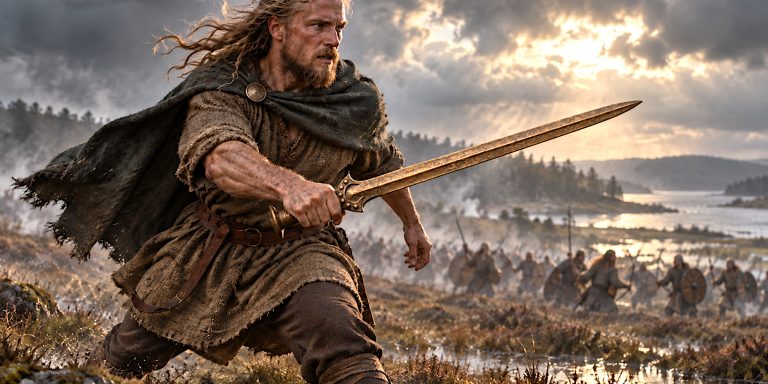
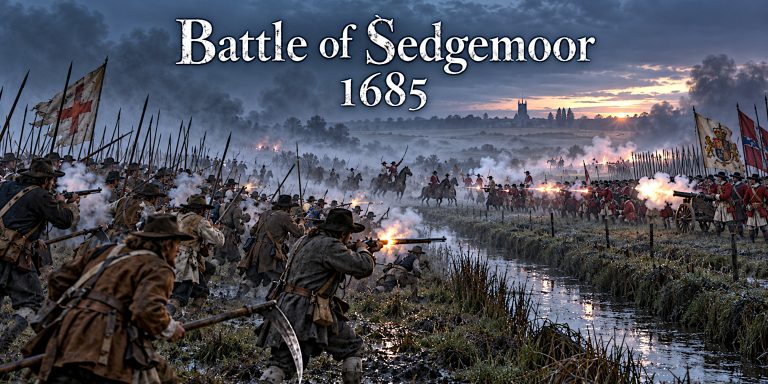
In Jacobite charges, these swords were used to smash through bayonets, exploit gaps, and overwhelm opponents quickly. Speed and commitment mattered more than prolonged exchanges.
Cultural Identity and Symbolism
Few weapons are as tightly bound to national identity as this one. The basket-hilt became a visual shorthand for Highland martial culture, even as actual fighting styles changed.
It appears in portraits, clan imagery, and later romanticised depictions of Scotland. Officers carried them long after firearms dominated the battlefield because they signalled authority and heritage.
There is also something refreshingly honest about it. This sword does not pretend to be refined. It looks like it was built by people who expected to use it.
Jacobite and Regimental Variants
Jacobite-era basket hilts often show more individuality. Local smiths, reused blades, and personalised decoration are common. Some baskets are heavy and dense, others surprisingly elegant.
Later British regimental basket hilts became more standardised. Blades were regulated, baskets slightly simplified, and overall balance tuned for uniform service. These swords often saw limited combat but remained potent symbols of rank.
Collecting and Survival Today
Original basket-hilts survive in reasonable numbers, partly because the basket protects the hilt so well. Condition varies wildly.
What collectors look for
- Original basket with minimal repairs
- Period blade with clear geometry
- Matching scabbard, rare but valuable
- Provenance linking the sword to a regiment or family
Prices range from approachable to serious, depending on originality and history. Reproductions are common and some are excellent, but originals still carry a presence that is hard to fake.
Where to See Authentic Examples
Museums across Scotland hold strong collections, including Edinburgh and Glasgow. Many regimental museums also display later service swords, which show how the design matured rather than declined.
Seeing one in person is worth the effort. Photos rarely convey the thickness of the basket bars or how confidently the sword sits in the hand.
Why the Basket-Hilt was so successful

Strip away the romance and the tartan marketing, and the Scottish basket-hilt broadsword still makes sense. It protects the hand, balances well, cuts hard, and forgives mistakes. Those qualities never go out of date.
It is not flashy. It does not beg for admiration. It simply works. And in a world of overly delicate swords and modern replicas chasing aesthetics, that blunt honesty feels oddly refreshing.
Basket-Hilt Broadsword vs Backsword
At first glance, the Scottish basket-hilt broadsword and the Scottish backsword look like close relatives. In reality, they behave quite differently once you put one in your hand.
The broadsword’s double-edged blade gives it flexibility. You can cut effectively from either side without adjusting grip or wrist alignment. That matters in chaotic fighting where perfect form disappears fast. It also makes recovery after a missed strike quicker and more intuitive.
The backsword trades that flexibility for a reinforced spine. With only one cutting edge, the blade is stiffer and slightly more durable under heavy blows. This suits sustained cutting and parrying, particularly in military drill and later regimental use.
Practical differences
- Broadsword favours flowing cut-and-thrust exchanges
- Backsword rewards committed cuts with extra blade strength
- Broadsword feels more forgiving under pressure
- Backsword encourages discipline and edge awareness
In short, the broadsword suits irregular warfare and personal combat. The backsword leans toward formation fighting and training consistency. Neither is better in isolation, but they were built for different problems.
Basket-Hilt Broadsword vs Continental Rapiers
Comparing a basket-hilt broadsword to a continental rapier almost feels unfair, but that contrast explains a lot about why the Scottish sword looks the way it does.
Rapiers prioritise reach, precision, and civilian self-defence. They assume space, time, and a relatively controlled environment. The basket-hilt assumes none of that.
The broadsword is shorter, heavier, and balanced closer to the hand. Its basket allows aggressive hand positioning and hard parries without fear of losing fingers. Against a rapier, the Scottish sword does not fence politely. It closes distance, batters the blade aside, and ends the exchange quickly.
Key contrasts
- Rapier excels at distance control and thrusting
- Basket-hilt dominates at close range
- Rapier relies on speed and timing
- Basket-hilt relies on pressure and protection
This is not a duel between refinement and brutality. It is a clash of environments. One belongs to streets and salons. The other belongs to hillsides, ranks, and sudden violence.
Modern Reproductions and What to Avoid
The basket-hilt is popular, which means the market is crowded. Quality varies wildly.
Good modern reproductions get three things right: weight, basket geometry, and grip comfort. Bad ones look fine on a wall and feel miserable in the hand.
What to look for
- Weight around historical norms, not overly heavy baskets
- Proper hand clearance inside the hilt
- Rounded internal edges to avoid glove shredding
- Real distal taper in the blade
Common problems
- Over-thick basket bars that throw balance forward
- Flat blades with no taper
- Decorative liners that offer no protection
- Grips that are too thin for actual use
If a basket-hilt feels awkward when simply held at guard, it will feel worse in motion. Originals were not perfect, but they were practical.
Who This Sword Was Really For
It is tempting to romanticise the basket-hilt as a universal Highland weapon. The truth is narrower and more interesting.
These swords were expensive. They were carried by men with status, experience, or responsibility. Clan leaders, officers, and seasoned fighters favoured them because they could afford them and knew how to use them.
That also explains why so many were preserved. They were valued possessions, not disposable tools.
Seven Swords Takeaway
The Scottish basket-hilt broadsword survives because it never tried to be clever. Every part of it answers a real problem. Protect the hand. Deliver power. Stay reliable when conditions turn ugly.
It is not subtle. It does not flatter the user. It demands commitment and rewards confidence. That may be why it still feels relevant today, even surrounded by sleeker, lighter, more fashionable blades.
Some swords impress you. This one dares you to use it properly.
Watch the documentary: